Transforming the way children and families understand healthcare diagnoses



Transforming the way children and families understand healthcare diagnoses


💡 Click on any card to learn more!

(IBS)
(Indigestion)

(Belly Pain)

(CVS)

(Swallowing Air)

(And More!)
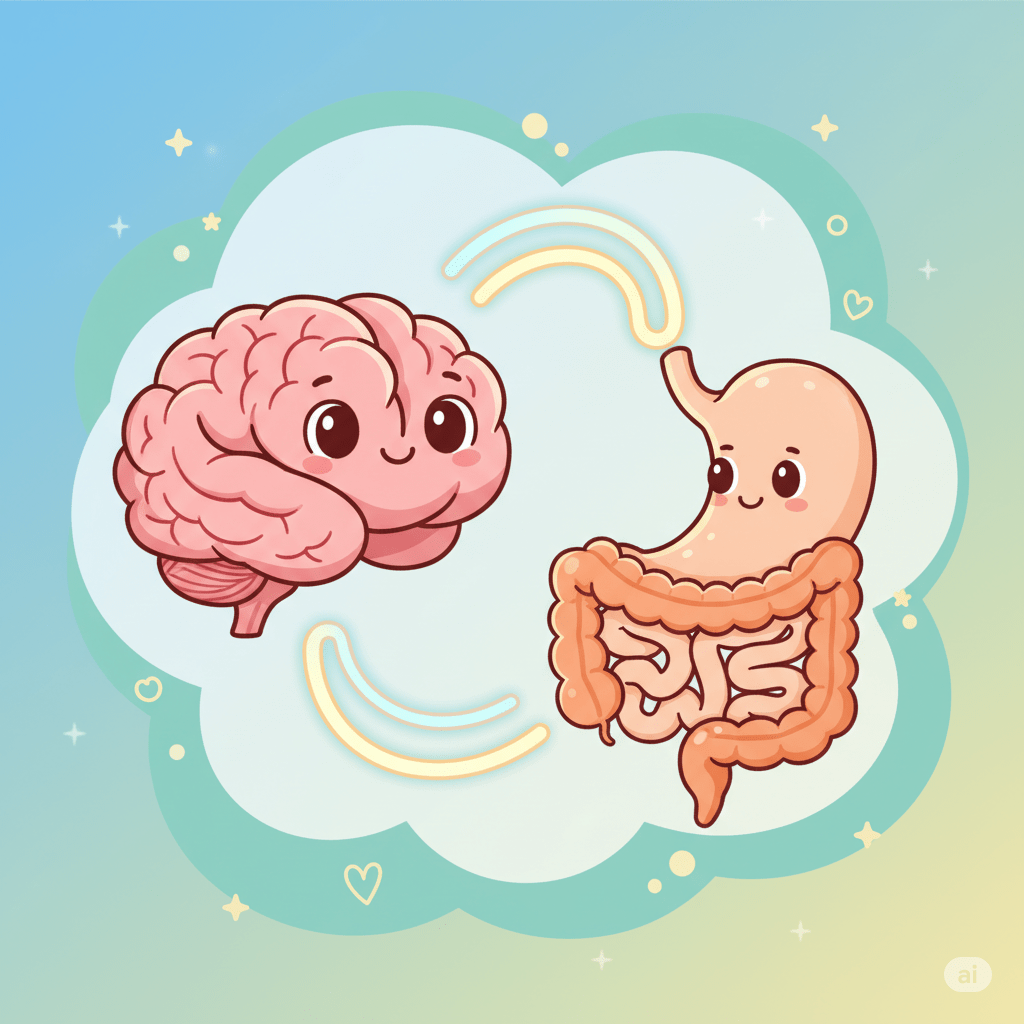
Central Nervous System

Gut Microbiome
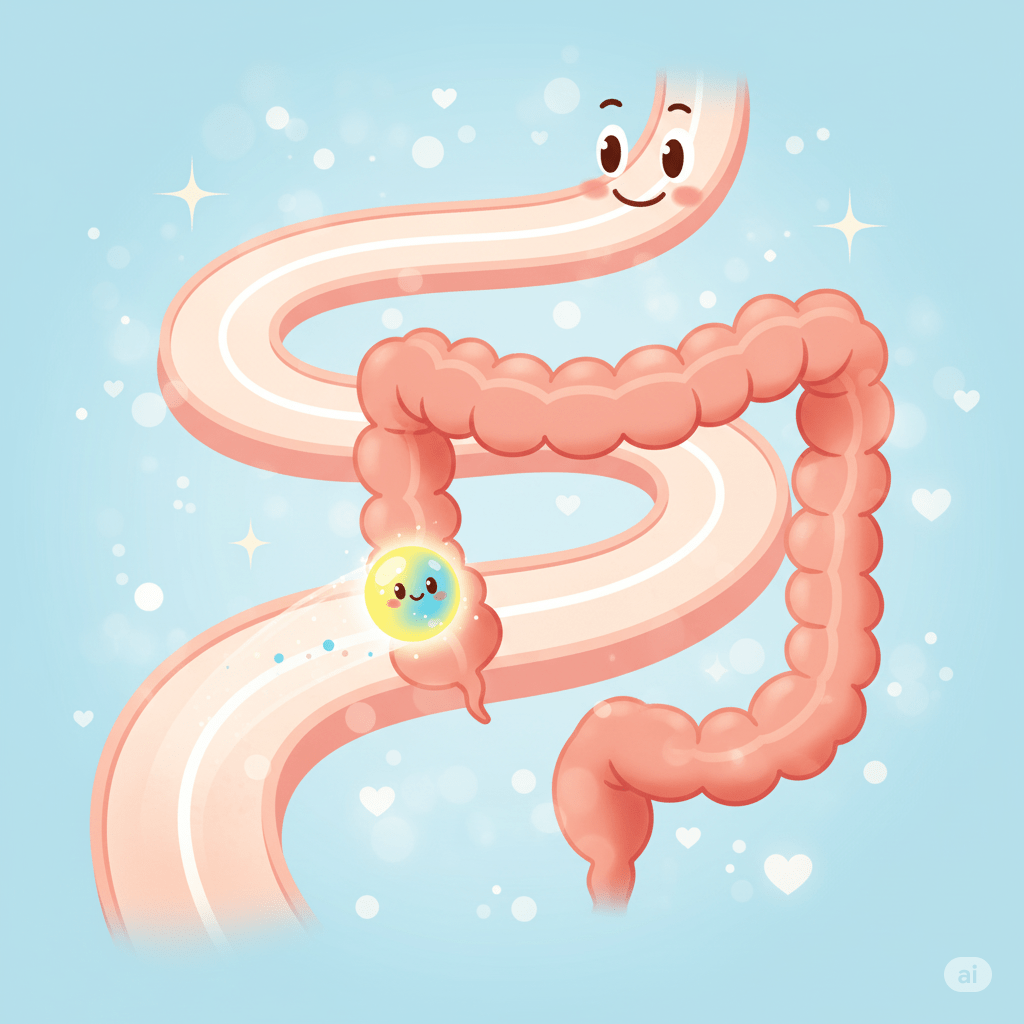
Gut Motility

Immune System
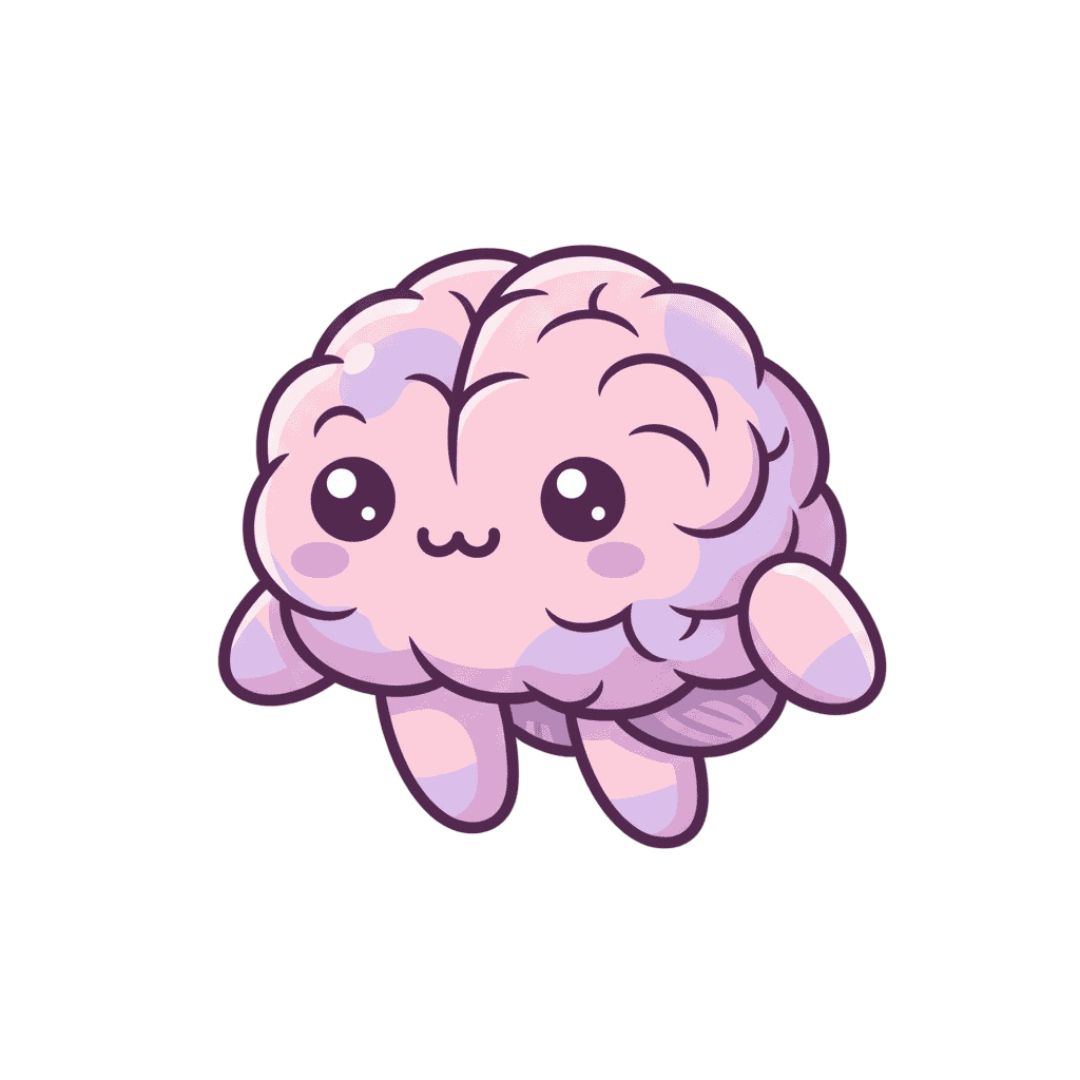
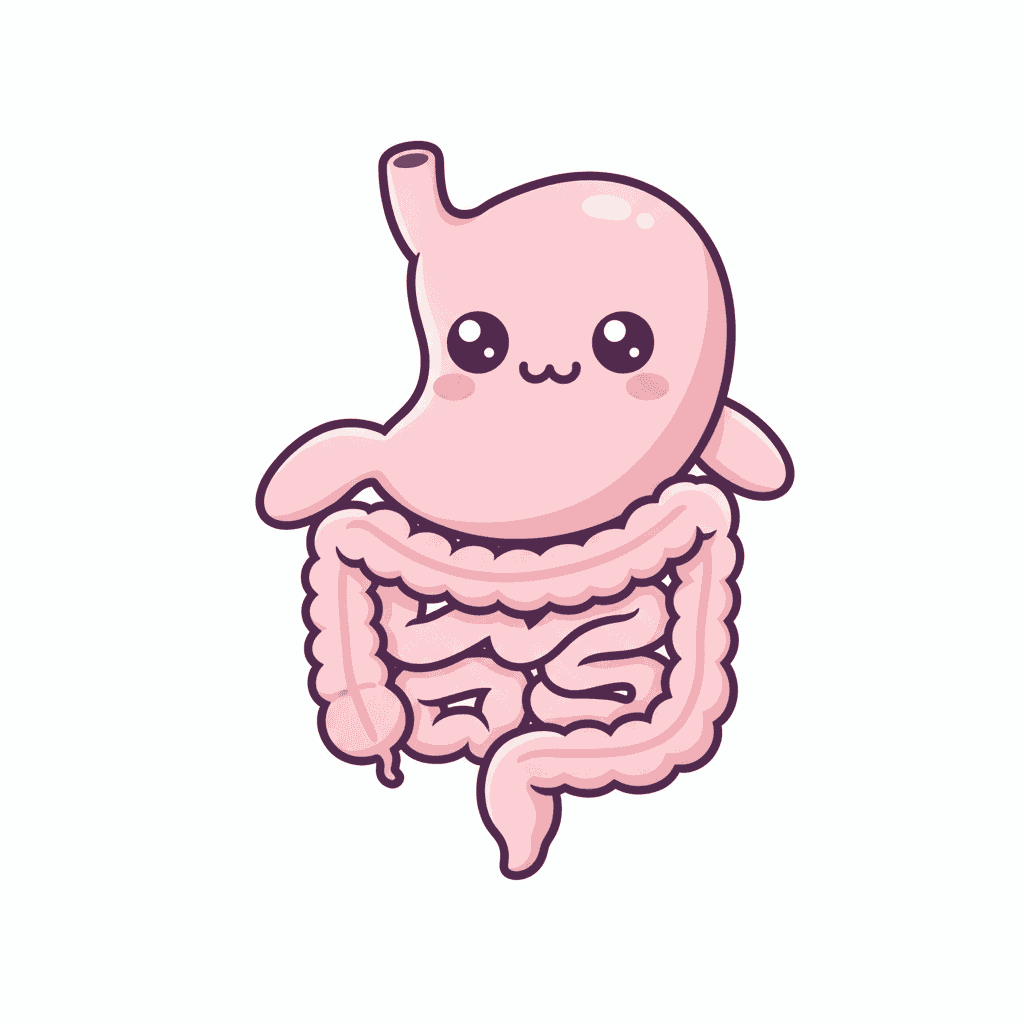
Let's explore the different parts that make up your brain-gut connection!
Click to learn more ✨
Click to learn more ✨
Click to learn more ✨
Click to learn more ✨
📚 What research has shown:
Some studies have shown that patients with DGBI experience the same intestinal stimulation (cramping, bloating) more intensely than their peers without DGBI.
Think of it like this:
In some kids with DGBI, their brain acts like a microphone that makes tummy signals louder than usual — so small cramps feel extra big. Your gut sends signals to your brain all the time - like "I'm a little full" or "I'm digesting food." In some kids with DGBI, the brain receives these signals as if they were shouted through a megaphone! A tiny cramp might feel like a huge one.
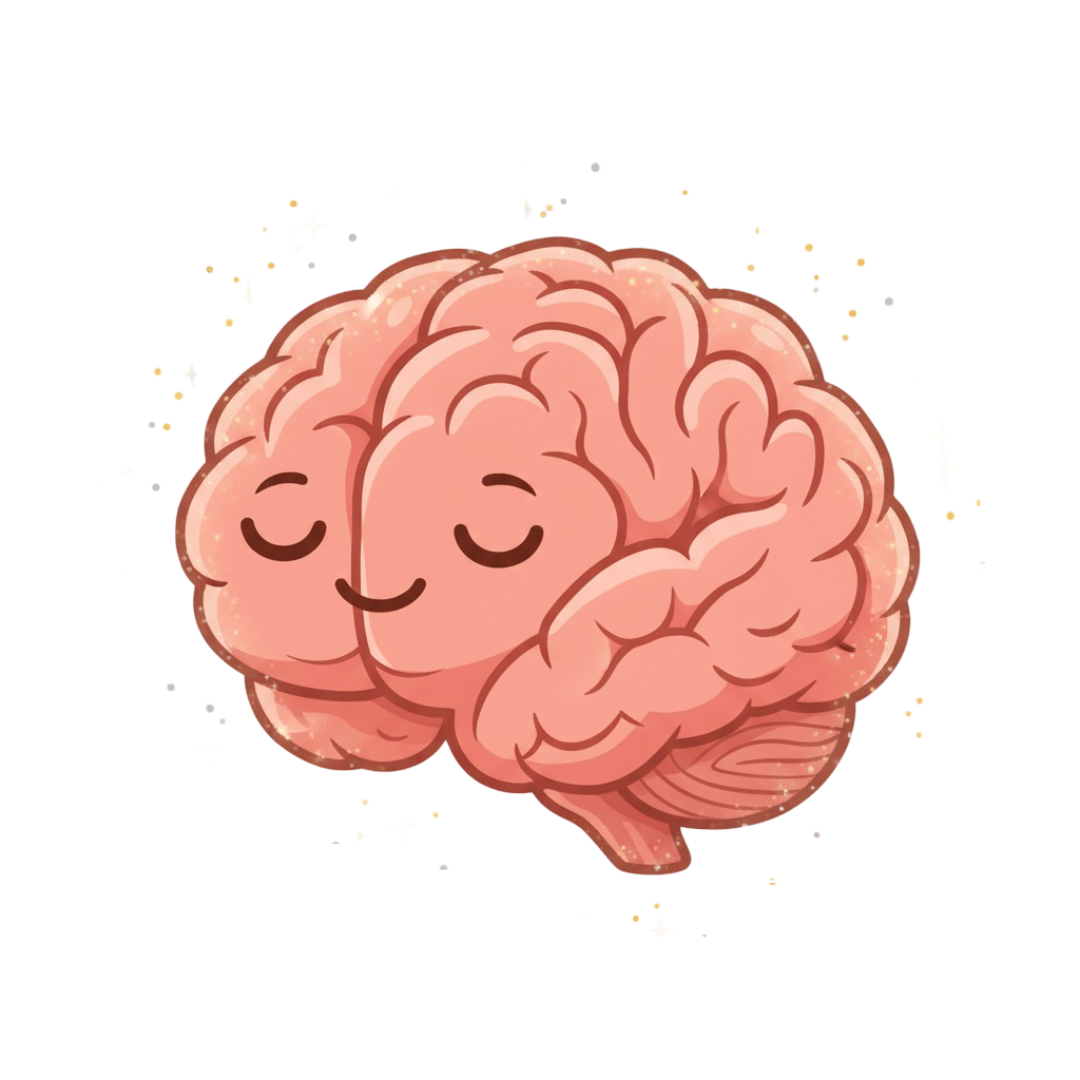
Normal sensitivity
💊 Treatments your doctor may suggest to address this:
🧠 Retrain the mind, retrain the gut
(Click to learn more)
⭐ Most Effective Treatment
CBT remains the most effective treatment for this condition.
What research has shown:
Some studies have shown differences in the gut bacteria between those with DGBI and those without DGBI.
Your gut has trillions of tiny helpers called bacteria that help play different important roles in your overall health. Together, they're called your microbiome.
These tiny helpers help you digest food, fight germs, and keep your gut happy. Scientists have found that in some people with DGBI, the mix of bacteria can be a little different.




💡 Tip: Click on any bacteria to see them dance!
We're still learning how to use this information to help — but some people find that taking probiotics or eating certain foods can make their symptoms better.
Treatments your doctor may suggest to address this:
What research has shown:
Some studies have shown that changes in how stool moves through your intestines can contribute to DGBI symptoms.
For example, if things move too slowly through your gut you may experience constipation. If they move too quickly, you may experience diarrhea.
Your intestines move food through your body — but sometimes things move too fast or too slow.
Normal speed - everything moving just right! 👍
Treatments your doctor may suggest to address this:
What research has shown:
This is a new area of research, and little is still known, but some studies have shown differences in the make-up of the intestinal wall and the way immune cells interact with the gut in people with DGBI.
Scientists are still researching this component to understand how it affects DGBI symptoms.
Treatments your doctor may suggest to address this:
There is no specific treatment; research is still ongoing to understand the true impact of these findings on symptoms.
DGBI is a complex condition, and scientists have not yet found the main cause of symptoms — but the good news is you can get help and feel better by treating both your brain and your gut.
Test your brain-gut knowledge with these fun games!
Research has shown that children with DGBI may experience higher rates of anxiety and depression than their peers.
Research has also shown that anxiety and depressive symptoms can make DGBI symptoms worse.
CBT remains the most effective treatment for this condition.